Warning lights & faults
A structured route from symptom verification to measured evidence and a repair recommendation.
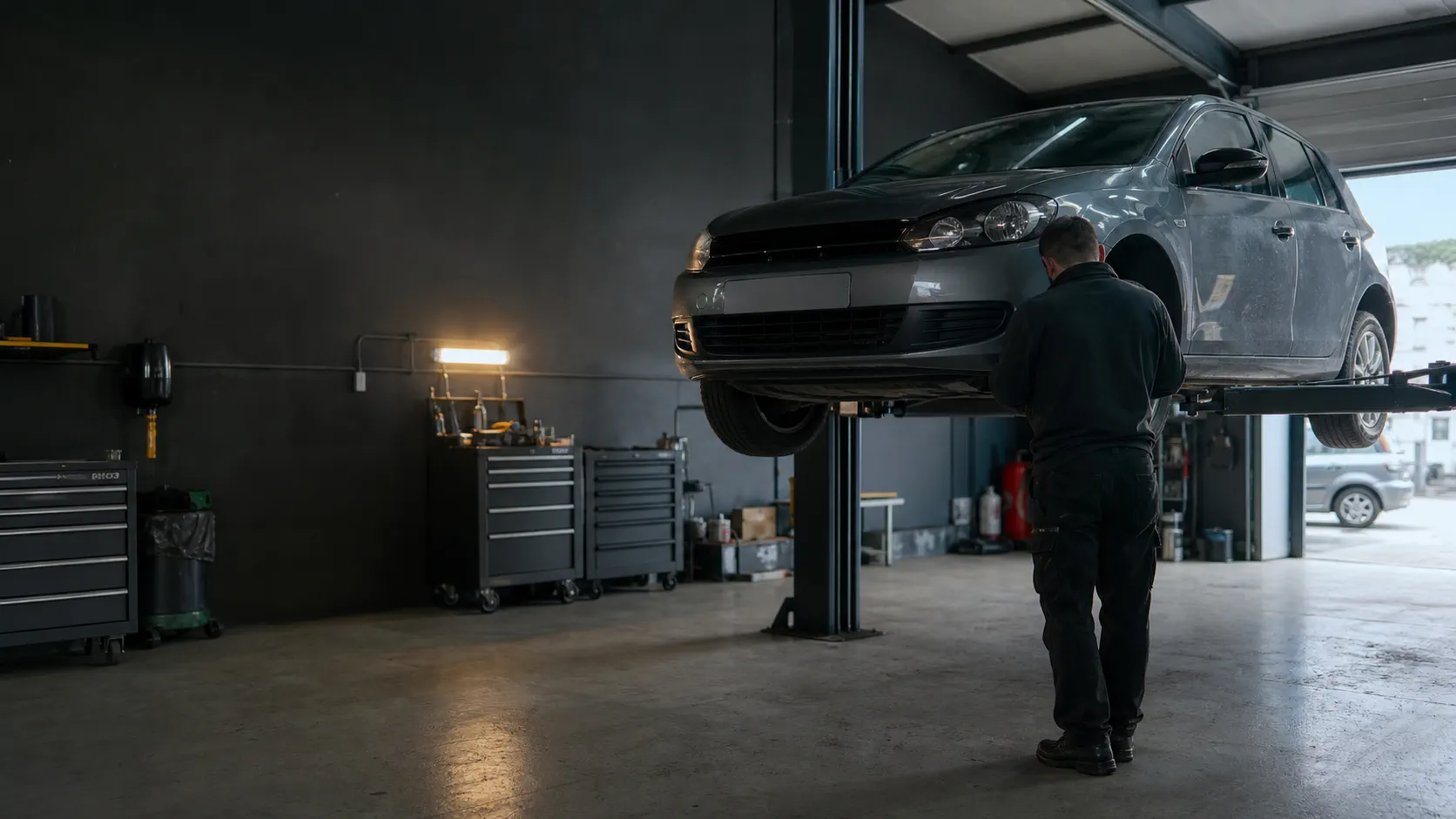
W / 01 / Diagnostic-first vehicle care
A clearer workshop experience starts with the symptom, follows the evidence, and pauses for approval before repair work begins.
Start with what the vehicle is doing
Drivers rarely arrive with a part number. Choose the closest concern and start with information that helps the workshop test the right system.
Service map / common needs
Start with the concern rather than a guessed part. Vehicle coverage, timing, and specialist work can then be confirmed before a visit is accepted.
See the full service mapA structured route from symptom verification to measured evidence and a repair recommendation.
Planned maintenance built around vehicle condition, service history, and the approved service scope.
Inspection and measured assessment for braking, steering, wheel-end, and suspension concerns.
Pressure, temperature, airflow, and leak checks before parts are recommended.
Battery, charging, starting, wiring, and network checks using measured values rather than assumptions.
Workshop method
A disciplined process makes technical work easier to trust: define the concern, gather evidence, agree the scope, and verify the outcome.
Record the symptom, when it happens, and what changed. Reproduce the concern where practical before choosing tests.
A precise problem statementUse the right visual, mechanical, electrical, or data checks to separate a symptom from its root cause.
Measured findings, not a parts listShare what was found, the recommended next step, and the price or further diagnostic scope before repair work begins.
An informed decision pointComplete only the approved scope, then repeat the relevant check so the outcome is supported by evidence.
A recorded post-repair checkExample evidence / diagnostic handover
This sample handover shows how a finding can be communicated without hiding behind jargon: what was checked, what the evidence suggests, and what happens next.
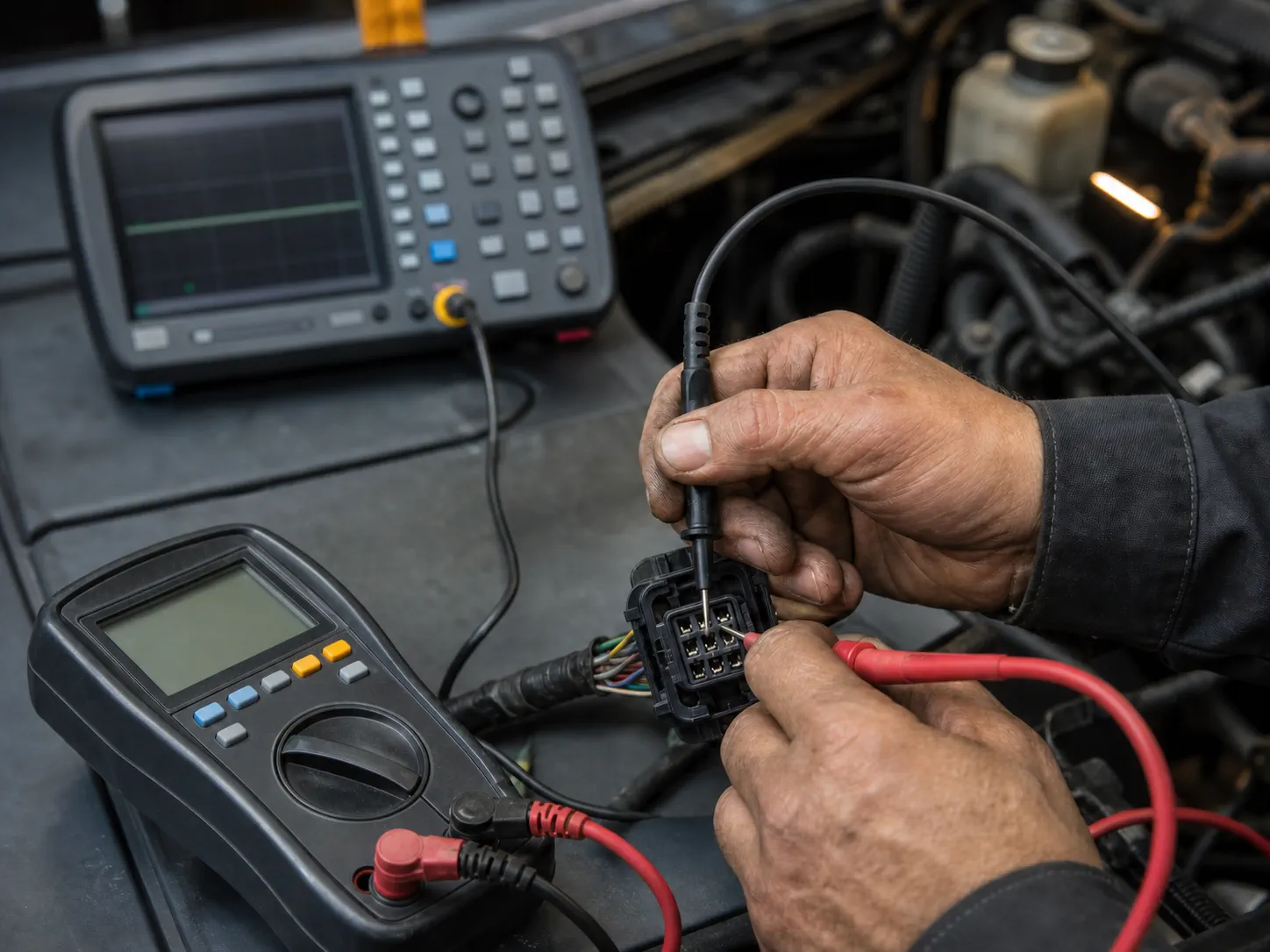
Example of a plain-language diagnostic handover.
Next step: isolate the control-side connection before recommending a component.
People-first service
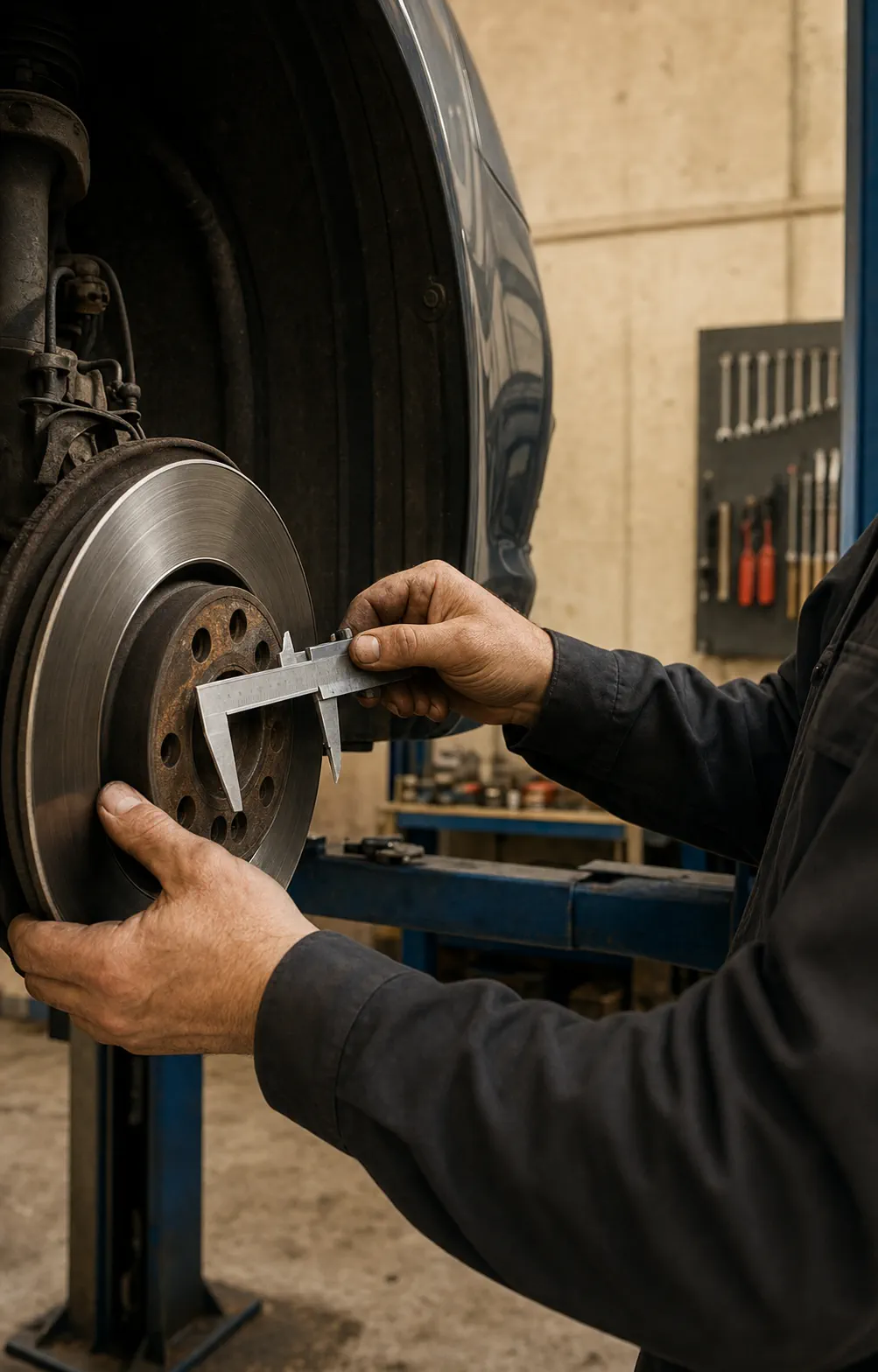
Technical findings matter when they are connected to the original concern and explained in plain language. A clear handover should leave room for questions, options, and approval.
A useful recommendation connects the symptom, the test result, the recommended scope, and the check that follows the work.
See how diagnostics works