Driver context
Symptom, timing, and recent changes
About / the person and the standard
A local workshop earns trust through the person doing the work, the way decisions are explained, and the proof behind its capabilities.
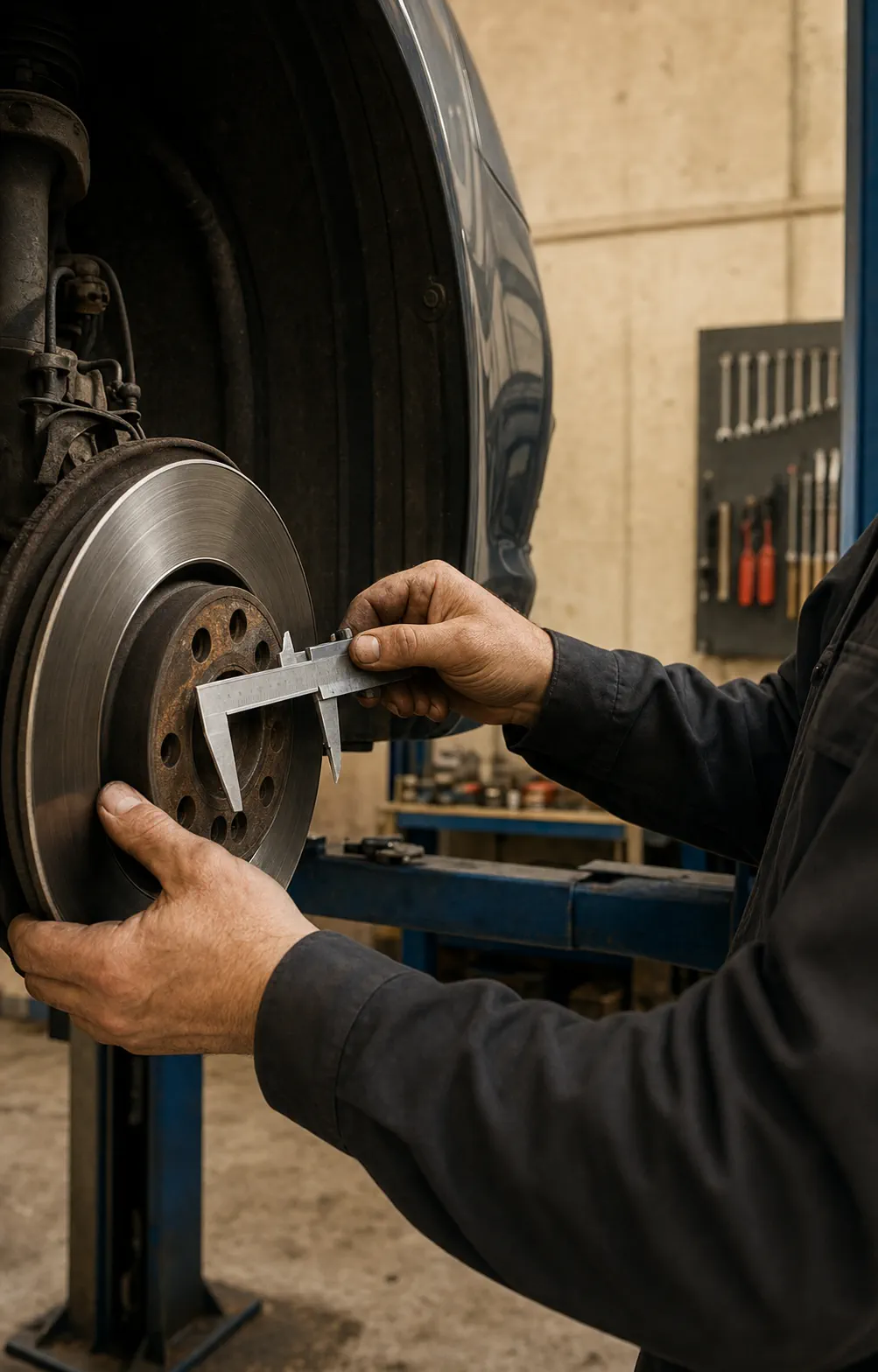
Hands-on thinking / driver-first
Vehicles can be complex; the conversation does not have to be. A useful workshop handover connects what the driver noticed with the checks performed, the options available, and the next decision.
Workshop philosophy
A useful workshop experience follows the same thread from first description to final check, with a clear decision between diagnosis and repair.
Listen for when and how the problem appears before choosing a test.
A warning, noise, or failed part can be the result of another fault upstream.
Share findings and scope before moving from diagnosis to repair.
Photos, readings, and clear notes make recommendations easier to understand.
Verification should connect directly to the original concern.
What a useful handover contains
Clear context, measured findings, and an agreed next step make technical work easier to understand.
Symptom, timing, and recent changes
Findings without unnecessary jargon
Checks that support the recommendation
Scope agreed before work changes
Urgent risks separated from future work
Verification tied to the concern
The next check follows the evidence
Replacement follows diagnosis and approval
Prepare the symptom, ask what the evidence shows, and agree what happens before the scope changes.
Plan a clear visit